Australia & New Zealand | Australia | Outback

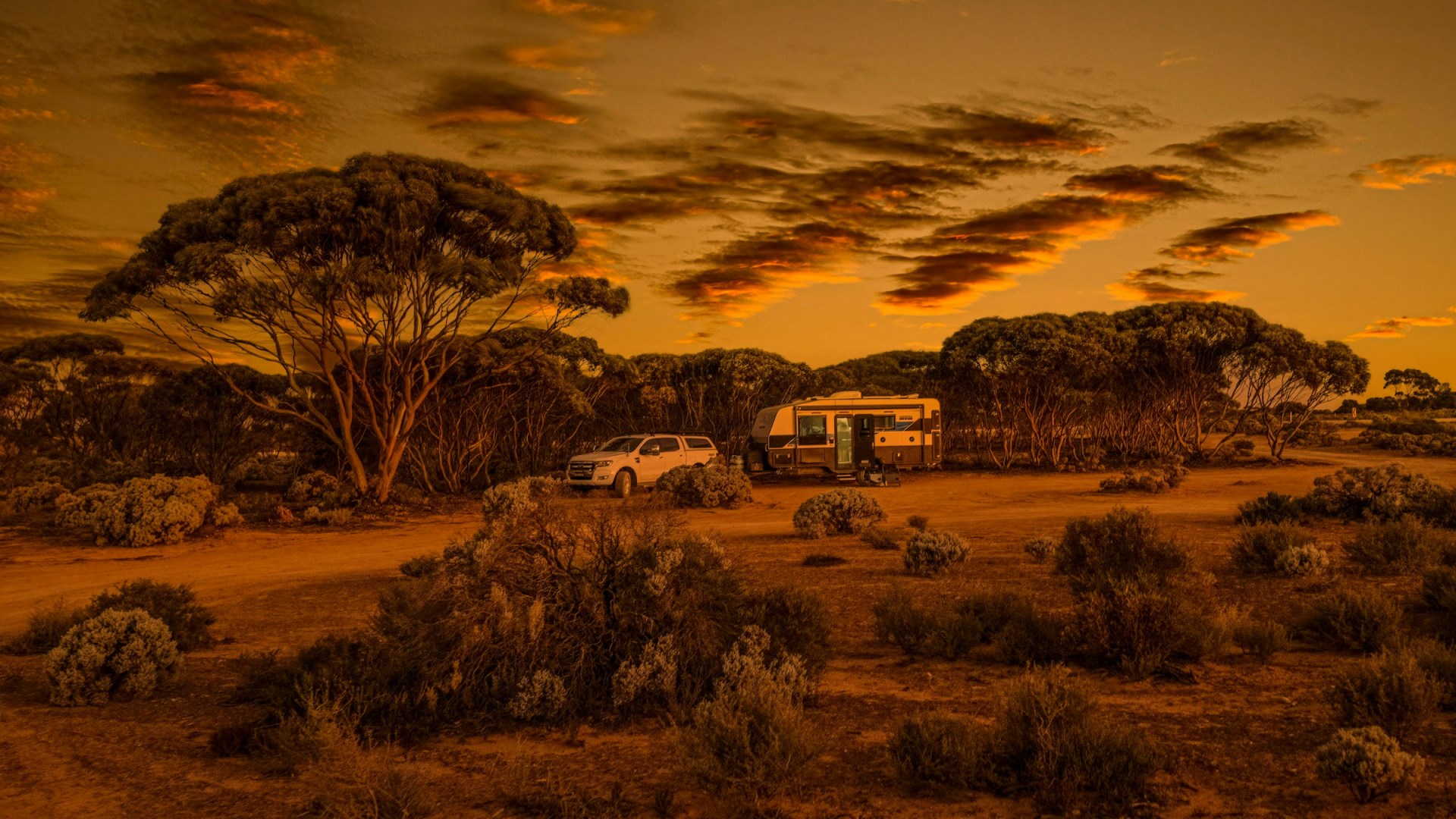
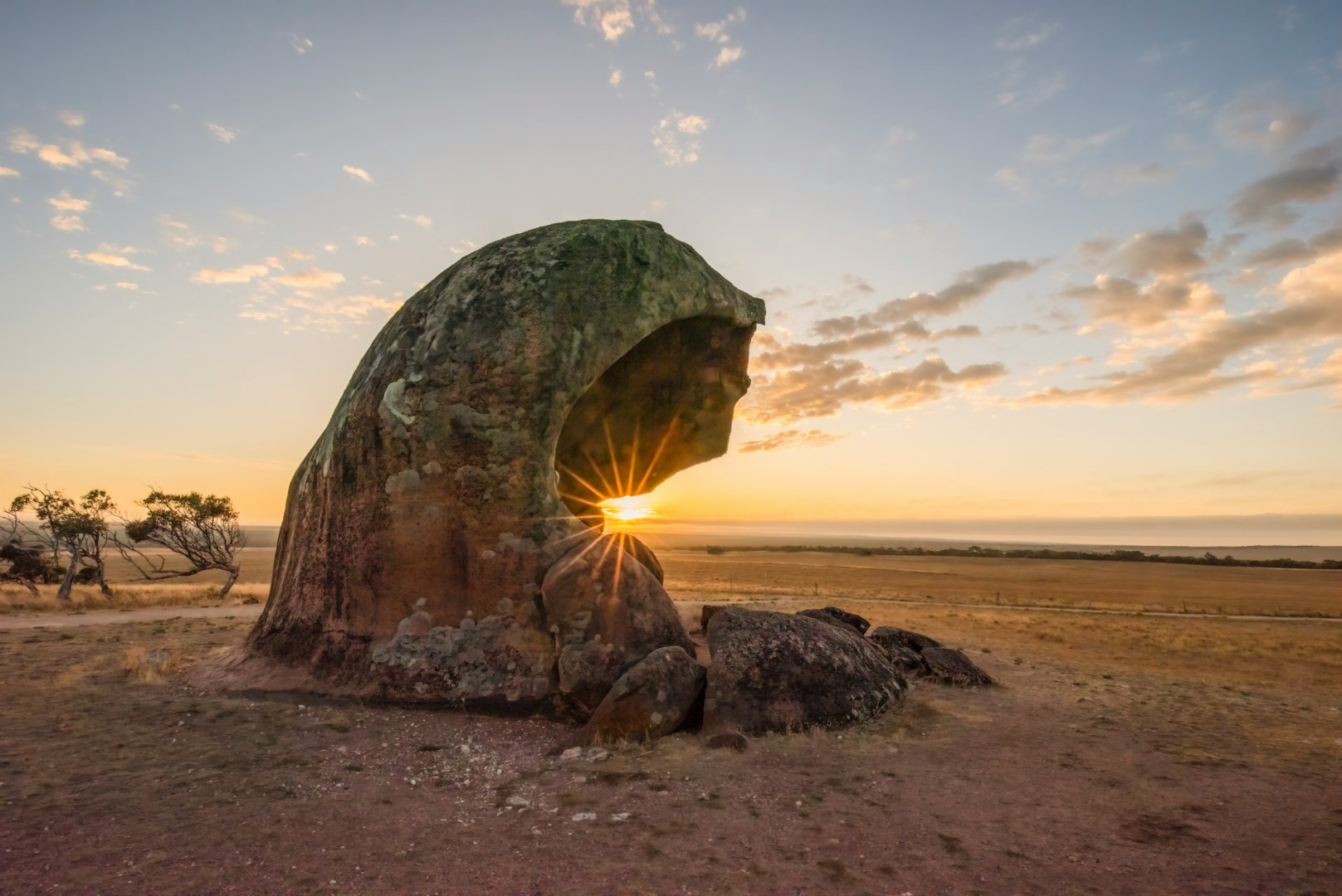
The Australian Outback is a broad term for the sparsely settled rangelands and remote landscapes that extend across much of the continent. Rather than being a single desert, it includes arid plains, red-earth deserts, mountain ranges, rocky gorges, tropical savannas, salt lakes, and river country. Outback landscapes occur across most Australian states and territories, with especially well-known regions in the Northern Territory, Western Australia, South Australia, Queensland, and New South Wales. Long distances between settlements, limited infrastructure, and large open spaces are defining features, while wildlife such as kangaroos, emus, dingoes, and wedge-tailed eagles inhabit many areas.
Aboriginal peoples have deep and continuing connections to Outback Country, with distinct nations, languages, traditions, and cultural practices found across different regions. Sacred places, rock art, traditional knowledge, and stories remain important parts of many landscapes. At Uluru-Kata Tjuta National Park, the Anangu people maintain cultural connections to Uluru and Kata Tjuta, while Aboriginal guides provide opportunities to learn about local traditions and Country. In Kakadu National Park, Bininj/Mungguy cultural knowledge is closely connected with rock art sites, wetlands, plants, animals, and seasonal changes. These living traditions are central to understanding the Outback beyond its physical landscapes.
The Outback contains some of Australia's most recognizable natural landmarks. Uluru and the domes of Kata Tjuta rise from the Red Centre, while Kings Canyon and the West MacDonnell Ranges provide dramatic cliffs, gorges, and walking routes around Alice Springs. Farther north, Kakadu National Park combines sandstone escarpments, wetlands, waterfalls, tropical vegetation, and important rock art sites. The Flinders Ranges in South Australia contain rugged mountain country around Wilpena Pound, while Western Australia's Kimberley region features gorges, waterfalls, and expansive savanna. Night skies are also a notable feature because many remote areas have little artificial light.
Outback food reflects both Aboriginal knowledge of native ingredients and the practical traditions of remote pastoral communities. Bush foods can include ingredients such as wattleseed, quandong, native herbs, and lemon myrtle, although the foods and their uses vary between Aboriginal communities and regions. Roadside roadhouses and country pubs are also familiar parts of the Outback, serving travelers and local communities across long stretches of highway. In some areas, Aboriginal-guided experiences introduce visitors to traditional food plants and bush knowledge. Remote travel requires careful planning, particularly because distances are large, temperatures can be extreme, and some roads require suitable vehicles and preparation.
Other Popular Destinations in Australia

